Prawakta.com reports : SpaceX Falcon 9 Rocket Debris Collides with the Moon
NASA Confirms No Danger to Earth as SpaceX Falcon 9 Rocket Debris Collides with the Moon

prawakta.com

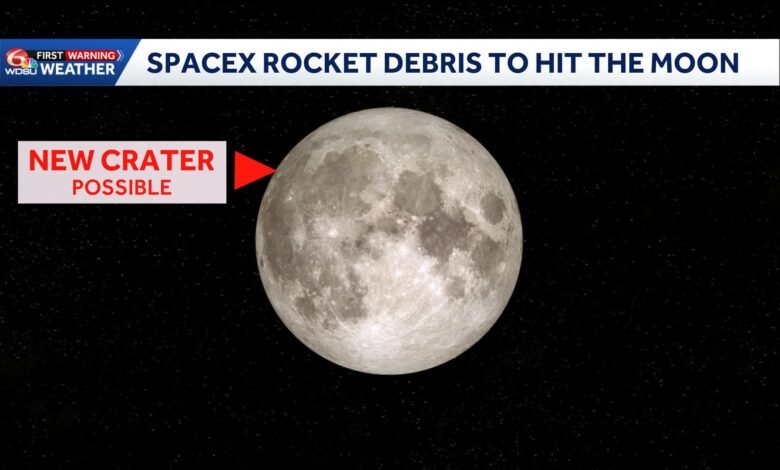
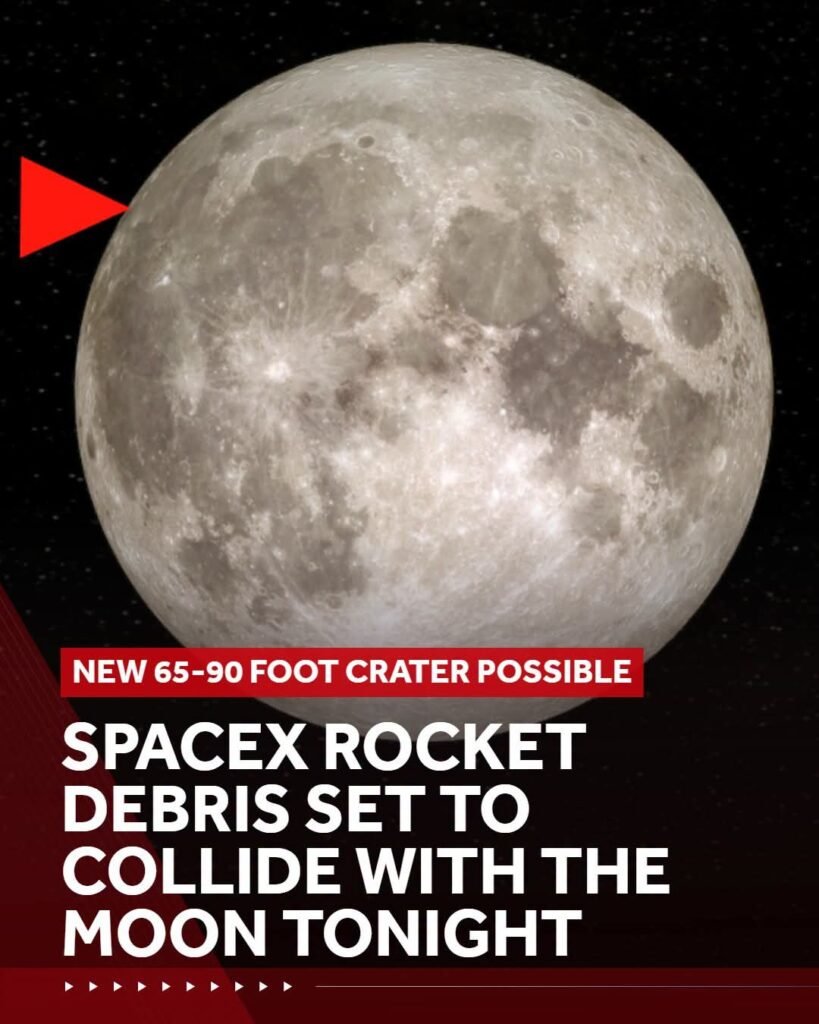
A runaway piece of a SpaceX Falcon 9 rocket has collided with the Moon’s surface near the Einstein Crater. Weighing 4,000 kilograms and standing roughly the size of a 5-story building, the upper-stage rocket debris struck the lunar surface at an astonishing speed of approximately 8,690 km/h. Originally launched in January 2025 from Florida to deploy American and Japan lunar landers, the rocket section remained floating in space before its trajectory gradually shifted due to Earth and Sun gravitational pulls over the past 18 months, ultimately leading to this historic lunar impact. While NASA has assured that the collision poses no threat to Earth, space experts note that the event offers a unique scientific opportunity to study impact craters and formation, while also sparking urgent discussions regarding the growing accumulation of space debris.
Key Highlights
- NASA Statement: NASA stated that there is no danger to Earth.
- Impact Details: A runaway piece of a SpaceX rocket collided with the Moon’s surface near the Einstein Crater.
- Rocket Specifications: The upper part of the Falcon 9 rocket weighs 4,000 kg and is roughly the size of a 5-story building.
- Speed: The debris struck at a speed of approximately 8,690 km/h.
- Launch Date: The Falcon 9 was launched in January 2025.
Background & Mission Details
- The rogue debris is the upper stage of a SpaceX Falcon 9 rocket.
- It was launched in January 2025 from Florida to send two lunar landers from America and Japan into space.
- Falcon 9 is a reusable rocket that has been used in multiple space missions.
- After the mission was completed, this section of the rocket was left floating in space.
- Over the past 18 months, its path gradually changed due to the gravitational pull of the Earth and the Sun.
- Astronomers had predicted that the rocket was straying directly toward the Moon and would collide with it.
- The collision occurred near the “Einstein Crater” on the side of the Moon that receives daylight and is visible from Earth.
What are the Benefits of the Collision?
- This event is quite exciting for scientists because data regarding the rocket’s speed, weight, and size was already available.
- Usually, when a natural meteoroid strikes the Moon, scientists do not have initial data on it.
- By studying the new crater and the displaced layer of dust created by this impact, scientists will be able to understand how the Moon and our solar system were formed.
Experts’ Warning: Strict Rules Needed
- Space Debris on the Moon: There is currently 190 tons of debris on the Moon.
- Expert Opinion: Professor H. Lewis, a space security expert at the University of Birmingham, stated that strict rules may be needed in the future to protect human life and existing structures in space from such accidents.
- Future Risks: Such incidents could happen again in the future, posing risks to human life, structures present there, and scientific missions, as well as affecting the capability for safe landings on the lunar surface.